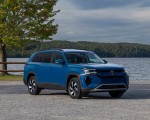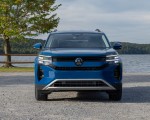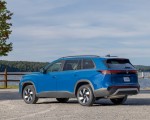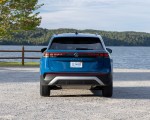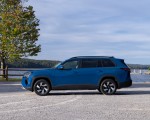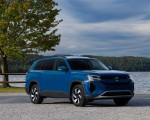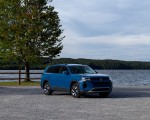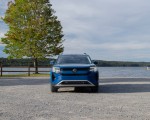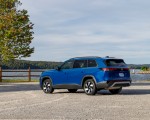
2027 Volkswagen Atlas SE
The 2027 Volkswagen Atlas SE is a spacious midsize SUV designed to accommodate families with a comfortable interior, practical features, and versatile passenger and cargo space.
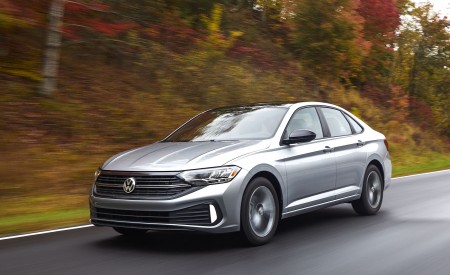
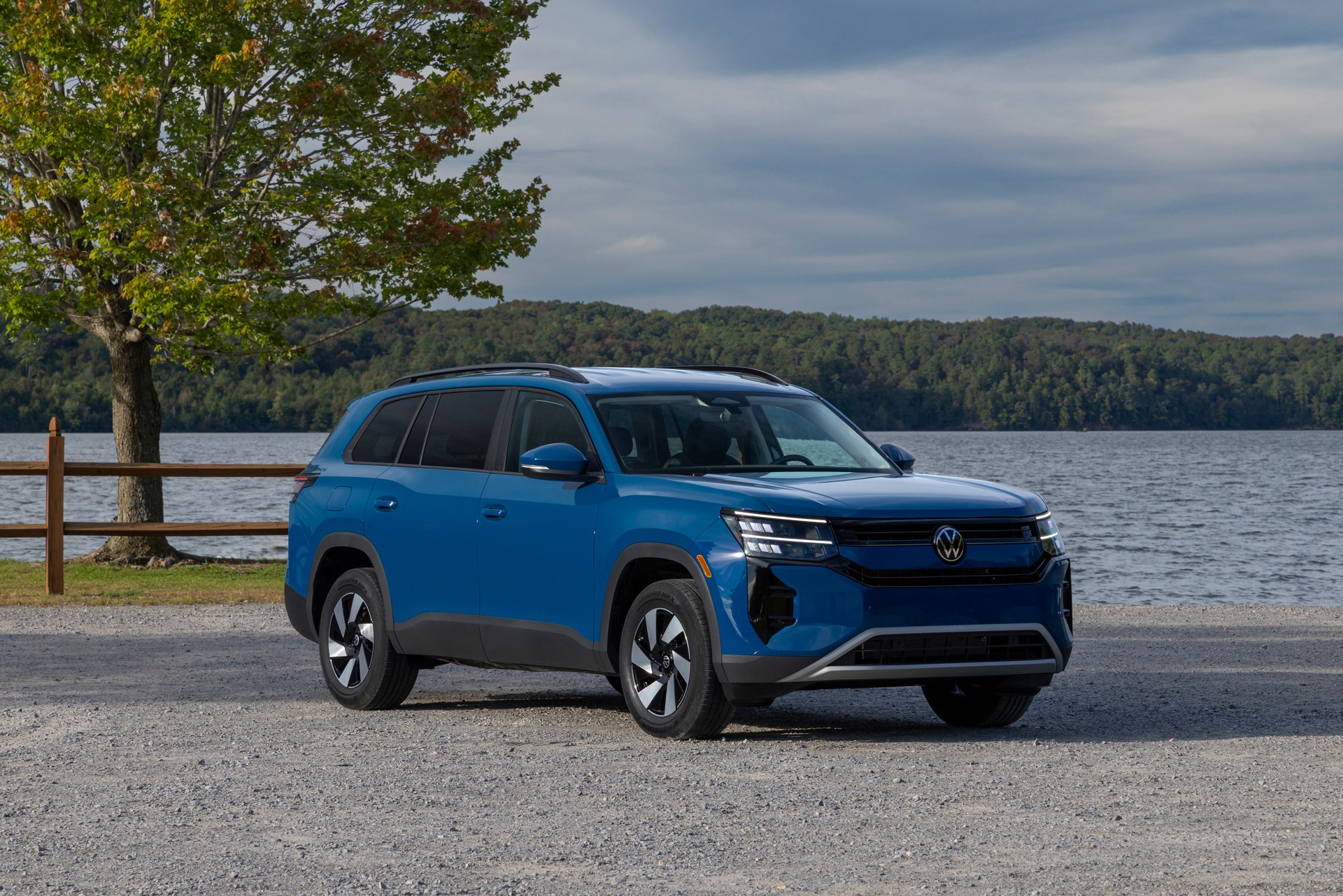
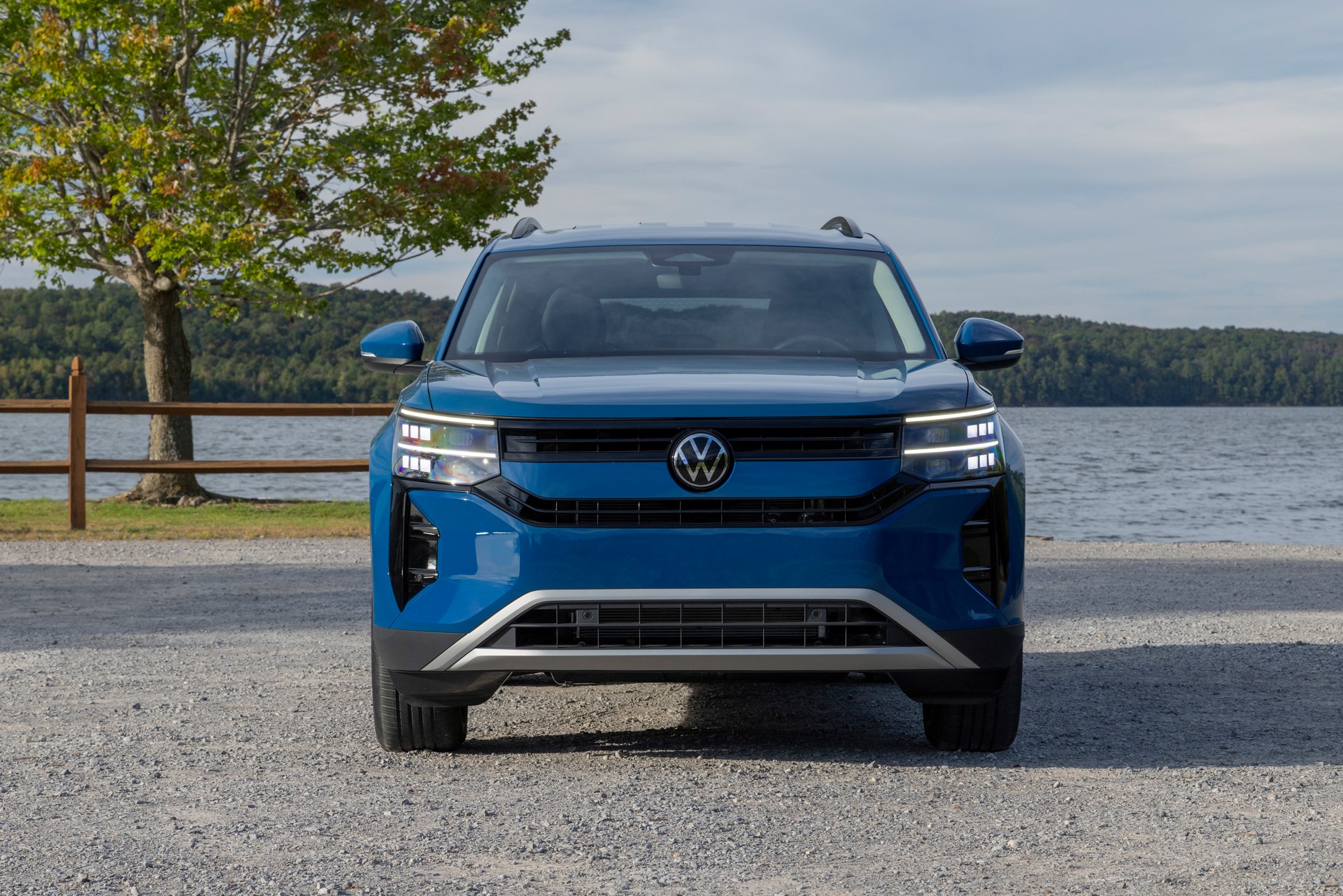
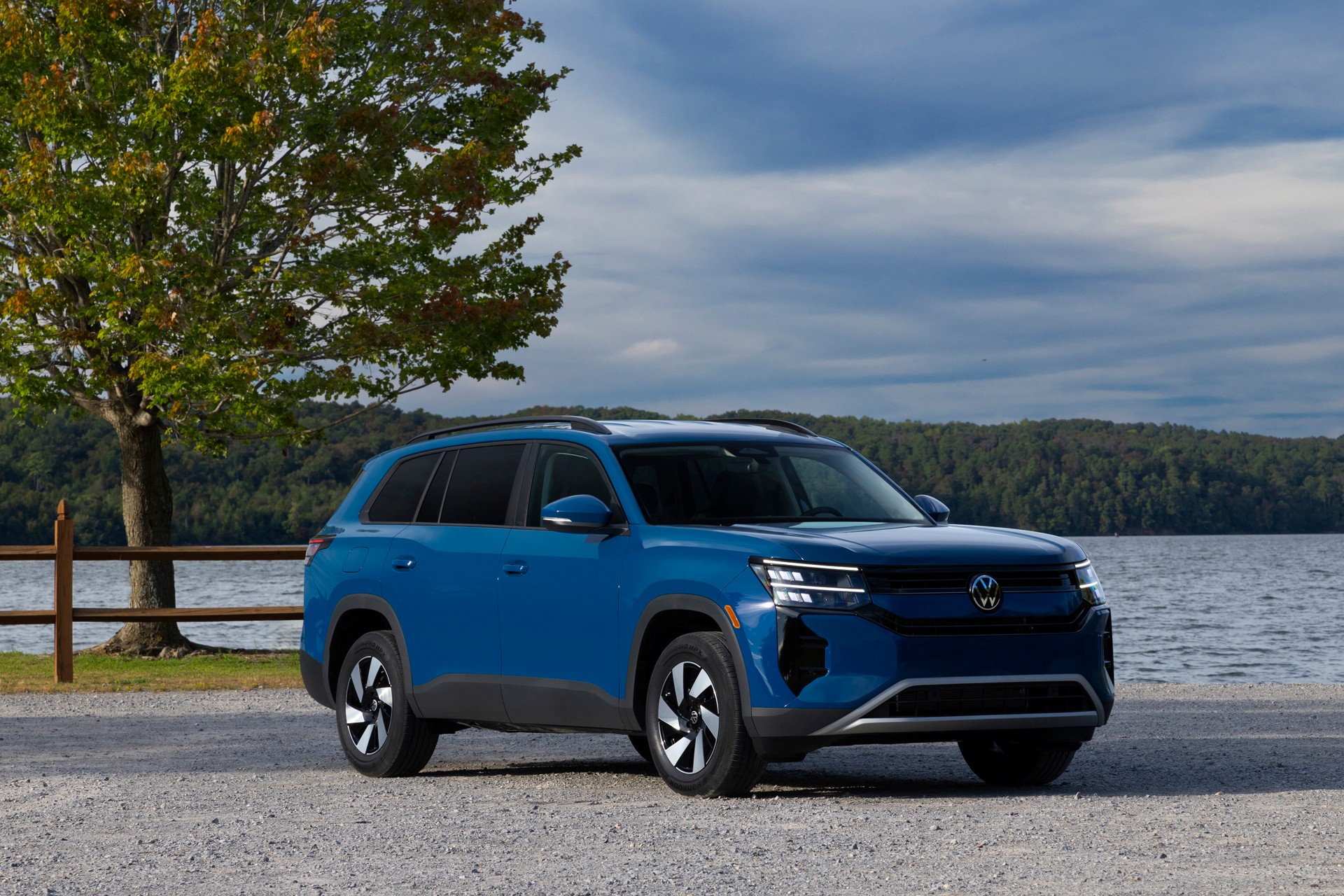
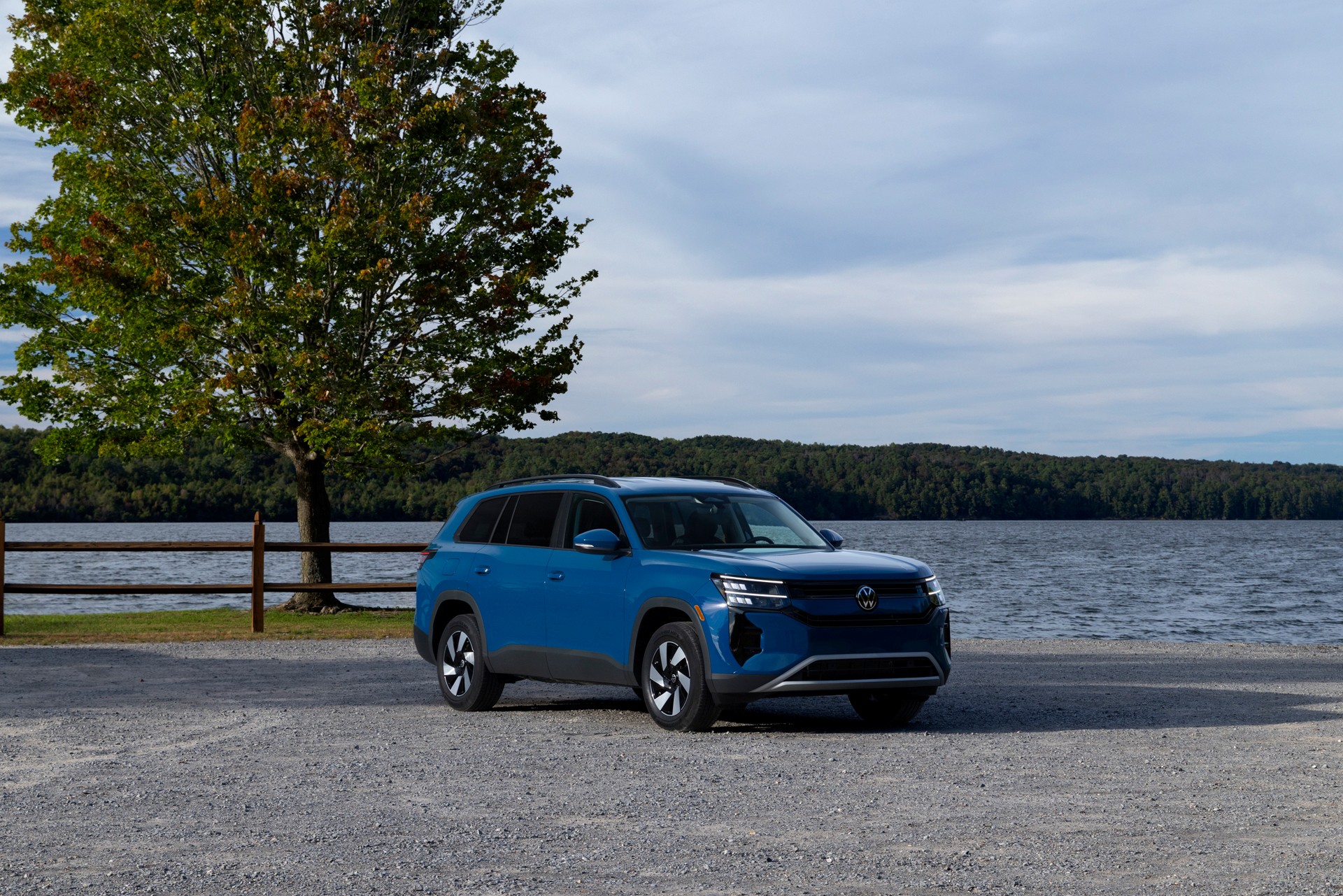
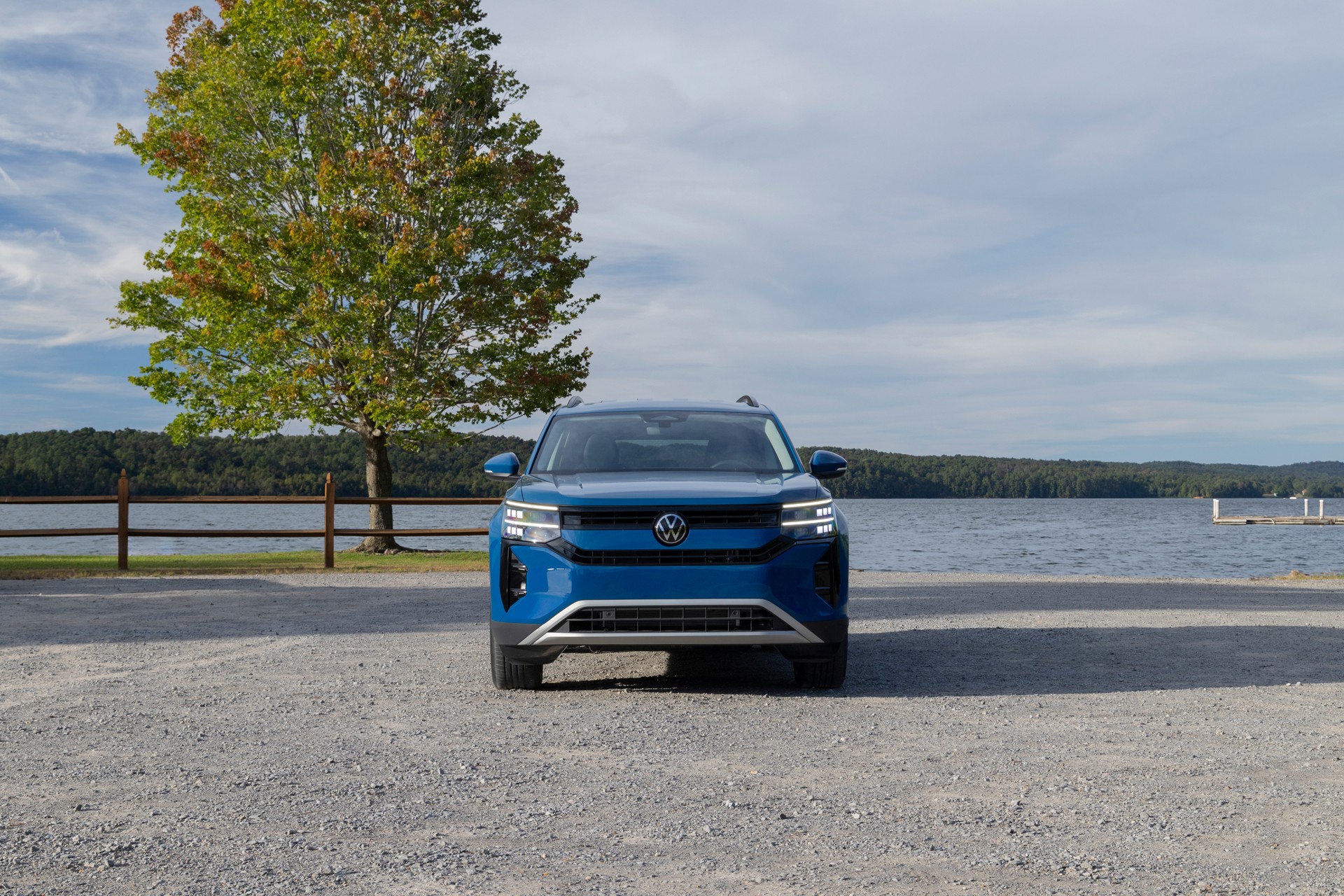
Its exterior styling combines Volkswagen’s modern design language with a bold front fascia, distinctive lighting, and a confident SUV profile.
The Atlas SE offers a range of convenience and technology features aimed at enhancing everyday driving, including infotainment functionality and driver-assistance systems.
With its three-row seating configuration, the SUV provides flexibility for carrying passengers and luggage, making it suitable for family trips and daily commuting.
The 2027 Volkswagen Atlas SE focuses on combining practicality, comfort, and contemporary styling in a family-oriented SUV package.
For 2027, the Volkswagen Atlas, proudly assembled in Chattanooga, Tennessee, has been completely redesigned. Bolder design, an even more upscale interior, and smarter tech elevate the second-generation seven-seater Atlas to a premium experience in the midsize SUV segment.
The second-generation midsize Atlas SUV enters the 2027 model year as an all-new vehicle, with expressive design, a truly upscale interior, premium features where they matter most, and improved driver assistance features. Trims for model year 2027 include SE, SE w/Tech, SEL R-Line, and SEL Premium R-Line. All trims benefit from an upgraded evo5 version of Volkswagen's turbocharged and direct-injection EA888 2.0-liter TSI® four-cylinder engine that makes 282 horsepower, the most ever in an Atlas model, and produces better fuel economy than the outgoing model.
MSRP starts at $41,610 for Volkswagen Atlas SE models with front-wheel drive, and $43,610 for SE 4Motion models. Destination for all models is $1,525.
Exterior
One of the key aims of the Atlas redesign was to make the car more modern and premium than the outgoing vehicle while keeping the overall solidity, stance, and strength the Atlas represents.
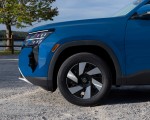
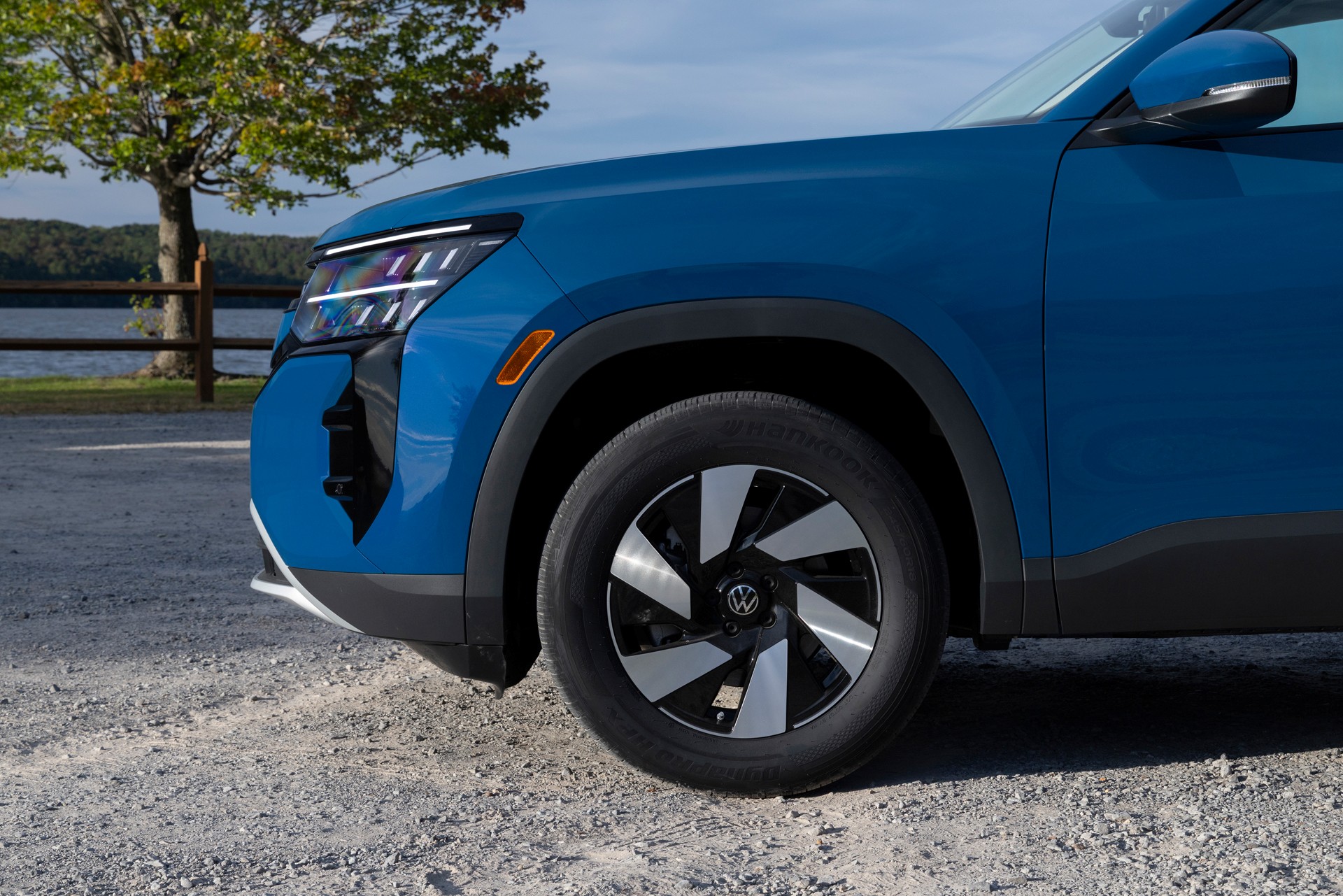
The 2027 Volkswagen Atlas makes a design statement, beginning with the bold new front end. Double stacked LED headlights, a masked upper grille, and a powerful hood project a confident face to the world. Double light lines and an illuminated VW badge are standard on all but the base trim, making it instantly recognizable, day or night. R-Line® models have black grilles and silver blades on the lower air scoops, which are more prominent than on the entry models.
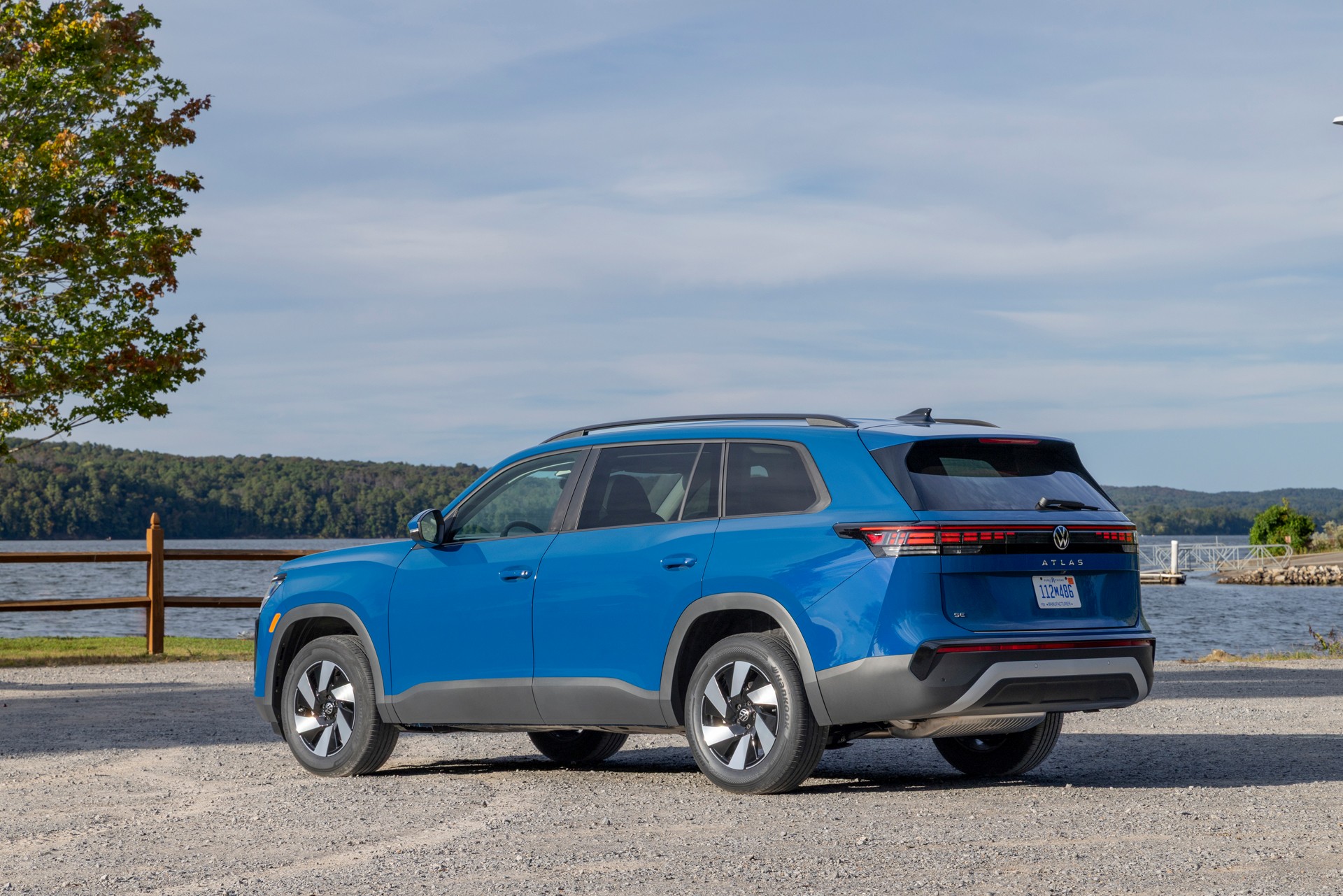
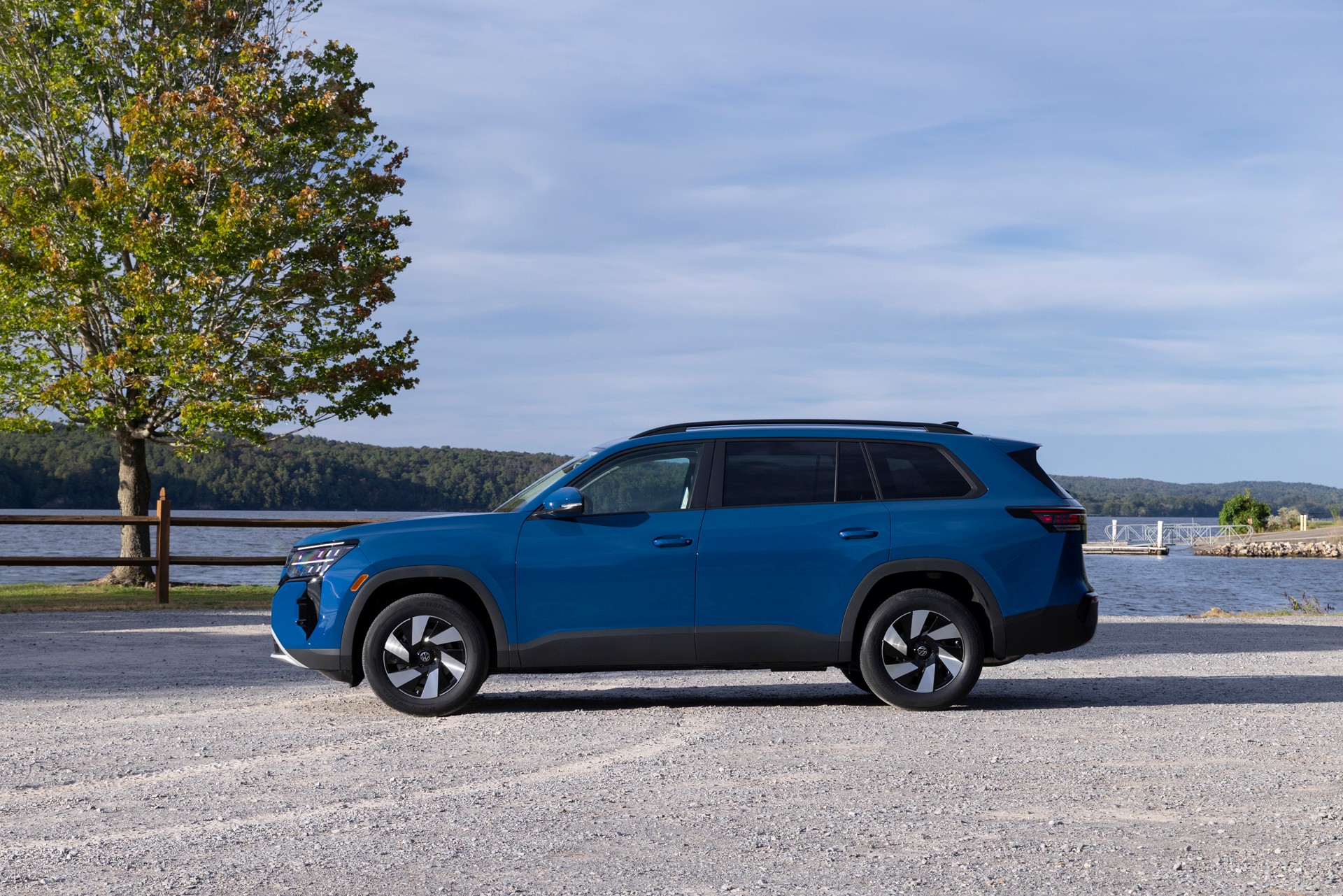
Stronger proportions and sleeker surfacing are seen best in the profile. A sharp theme line runs along the upper body sides, augmented by strong fenders and sculpted side sills. On R-Line models, the sills are painted body color and the window surrounds are chrome rather than black. Puddle lamps with a unique projection pattern featuring the VW logo are available, as are illuminated door handles, which are new for 2027.
 Volkswagen
 Volkswagen
 Volkswagen
 Volkswagen
 Volkswagen
 Volkswagen
 Volkswagen
 Volkswagen
 Volkswagen
 Volkswagen
 Volkswagen
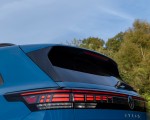
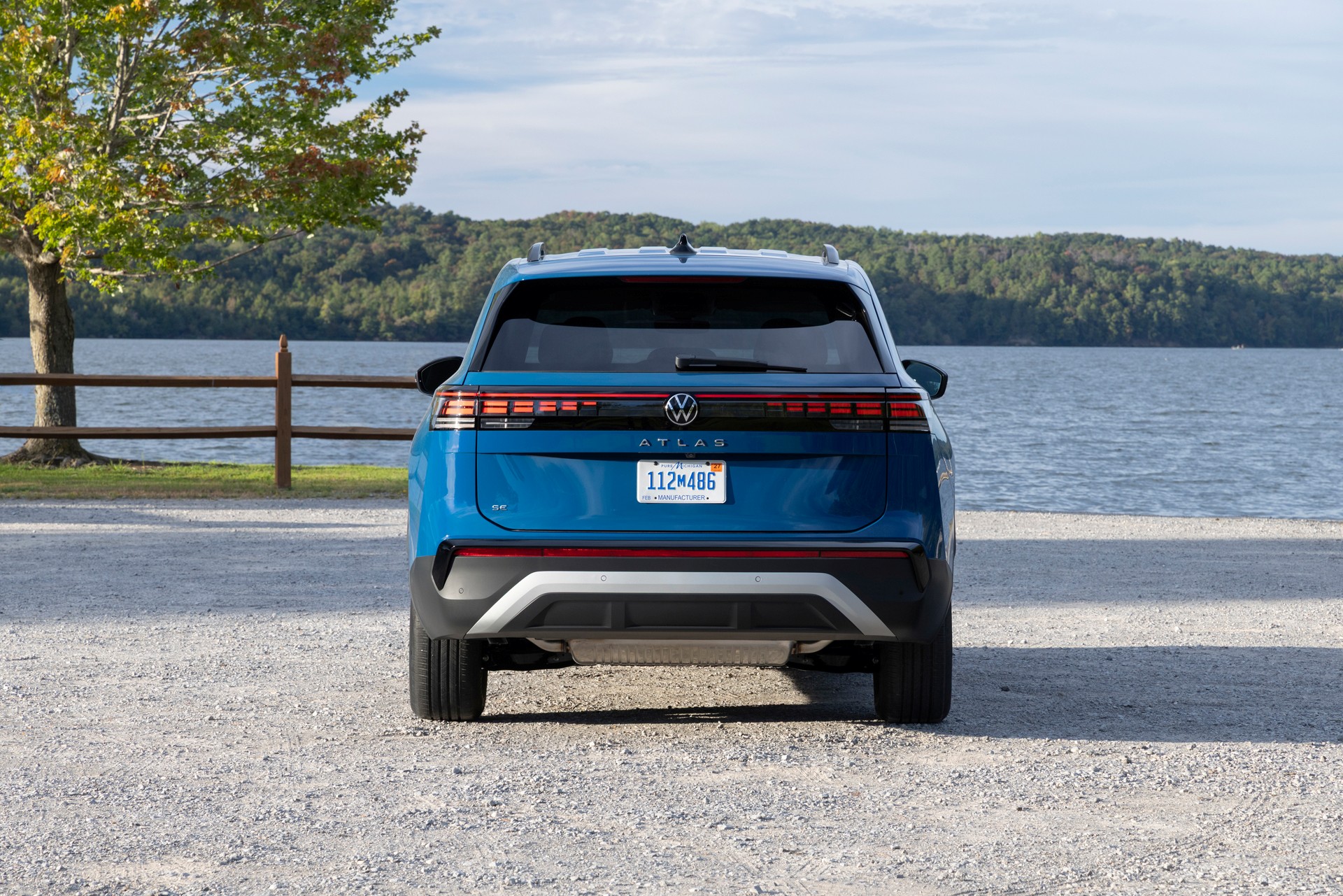
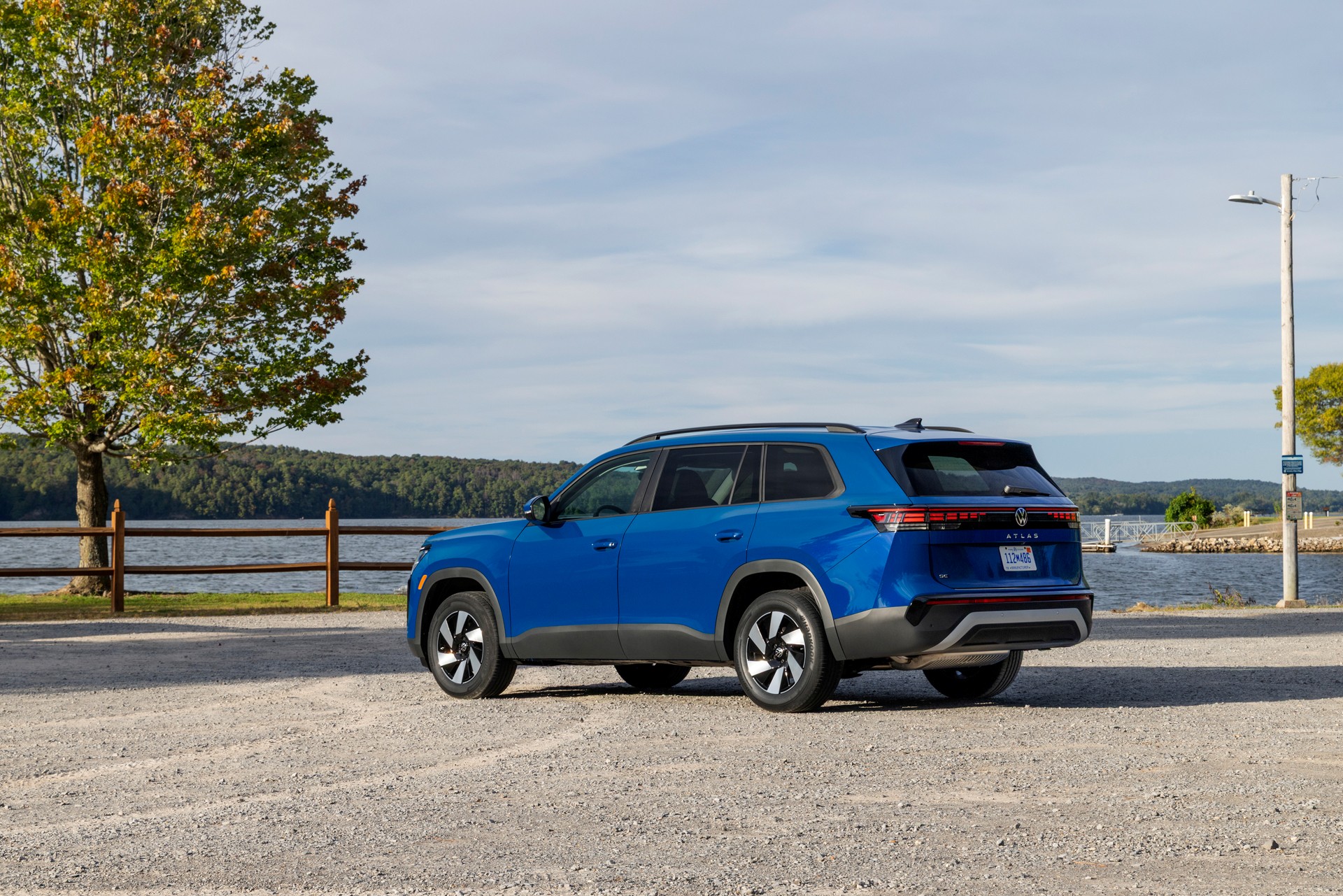
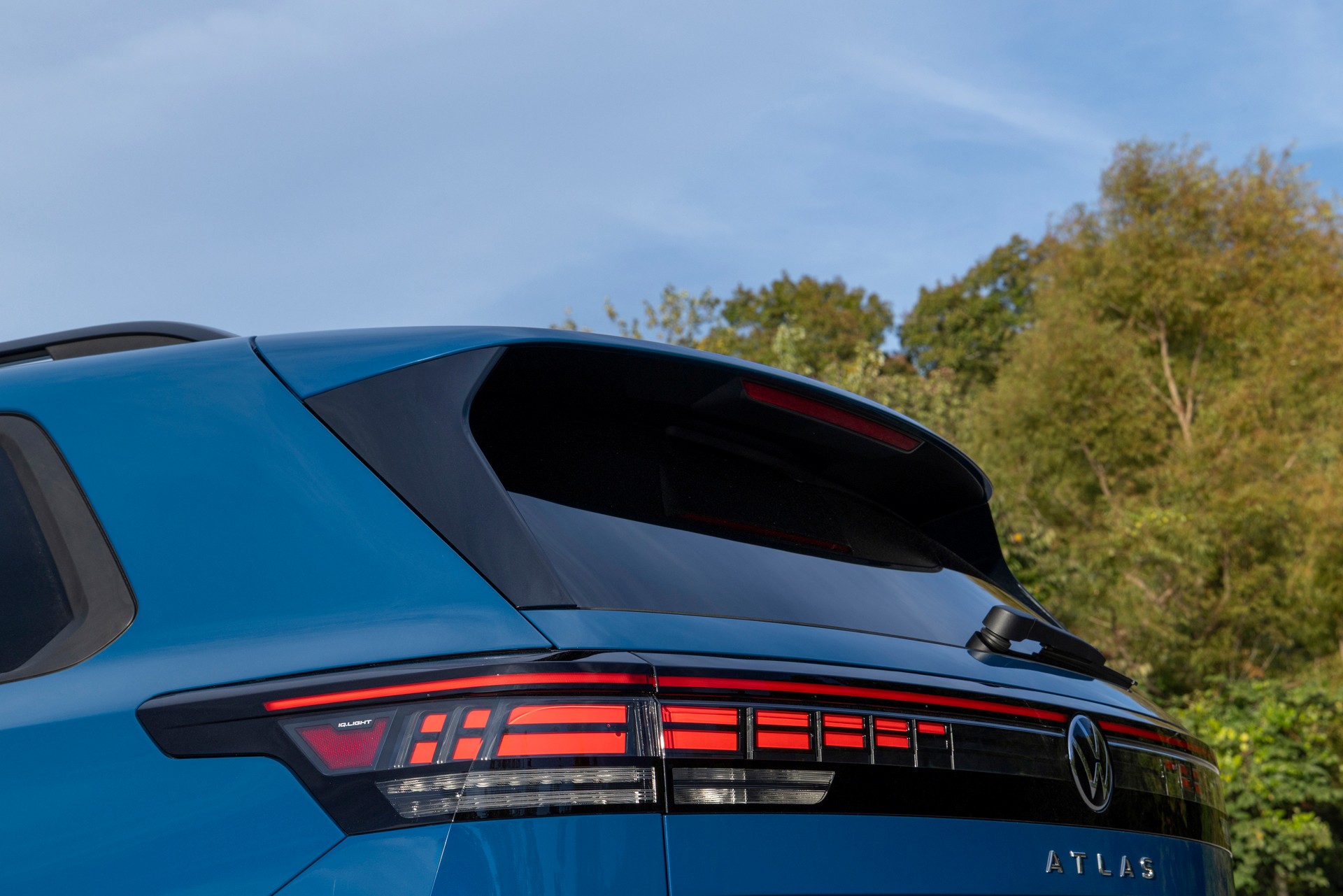
At the back, the spoiler is more pronounced, and the tailgate sits flush with the rear bumper for a more upscale look. The cross-body taillight design features individual 3D elements to mirror the light signature in the front and includes three selectable animations. Standard dynamic turn signals add a premium feel. On R-Line models, the lower diffuser is finished in gloss black.
Headlight designs feature standard full-LED lighting, including low beams, high beams, and Daytime Running Lights (DRLs). Full projector lighting is standard on the top two trims. All models feature Volkswagen's Adaptive Front-lighting System (AFS) that moves the headlights laterally by up to 15 degrees to help illuminate the road while cornering, as well as automatic headlamps and rain-sensing windshield wipers.
Overhead, roof rails are standard on all trims. They are black on the SE and SE w/Tech models and silver on SEL R-Line models. A large panoramic sunroof, measuring about 4.5 feet by 3 feet, with a two-part glass opening system and powered sunshade, is available as a package on SE w/ Tech models and is standard on SEL R-Line models.
The exterior mirrors on the SE and SE w/Tech models are power adjustable and heated with a new driver-side auto dimming feature; on SEL R-Line models, they are heated and have memory; and on SEL Premium R-Line models, they have a power folding feature and puddle light illumination.
Eighteen-inch two-tone machined aluminum-alloy wheels wrapped in 245/60 all-season tires are standard, with 20-inch machined alloys with 255/50 all-season tires on SE w/Tech models. The SEL R-Line also features 20-inch wheels and 255/50 all-season tires, with a unique R-Line design. SEL Premium R-Line trims up the ante with 21-inch machined alloy wheels with 265/45 all-season tires.
All trims offer the Easy Open and Close feature for the power tailgate. Easy Open and Close works in conjunction with KESSY® keyless access to enable opening of the tailgate with just a kick of the foot below the rear bumper when the key is in range.
The Volkswagen Atlas lineup features a variety of exterior colors, chosen to enhance its premium nature. There are three new sophisticated colors-Blackberry, Sacramento Green, and Sandstone-in addition to Deep Black Pearl, Mountain Lake Blue Opal White, Pure Grey, and Silver Mist.
Engineered from Volkswagen's Modular Transverse Matrix (MQB) evo architecture, the Atlas is larger than any other vehicle in the Volkswagen portfolio, sitting 203.1 inches long, 78.3 inches wide, and 70.3 inches high. Despite its size, the Atlas still offers a low coefficient of drag of 0.32. Atlas models feature 6.5 inches of ground clearance and approach/departure angles of 19.9 and 20.7 degrees (front/rear).
Interior
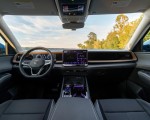
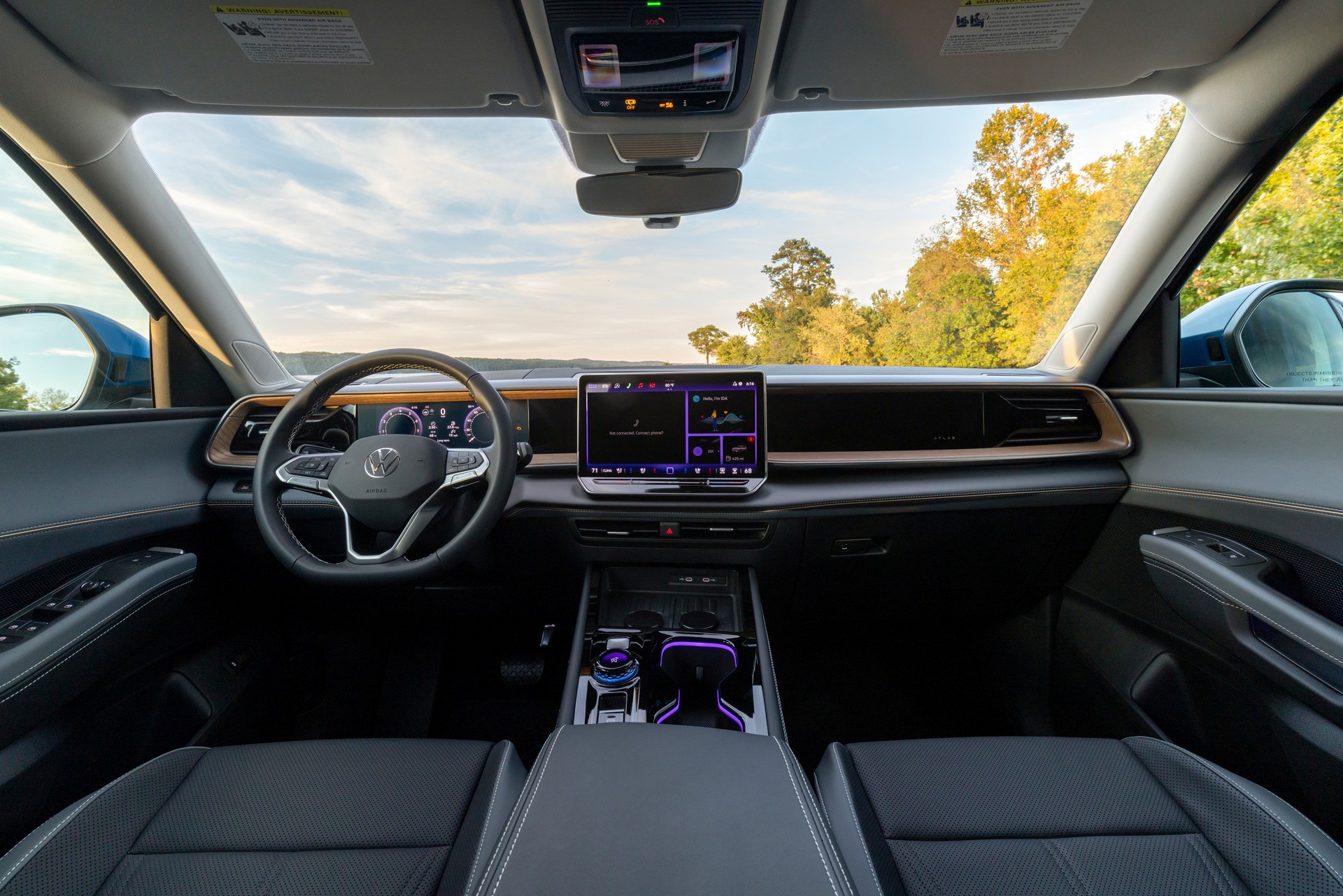
Inside, the cabin is completely reimagined and elevated with a more modern design and upscale materials. A bold loop unifies the cockpit with one strong, architectural statement. Everything flows with purpose, from displays to vents and lighting. A revised door handle location set in an elegant floating armrest design makes the door panels look more premium. The shift lever moves to the steering column to free up space in a large center console, designed to handle daily commutes, long road trips, and family life.
High-end materials are embraced through the interior, including a leatherette-trimmed soft touch dash, center console, and door panels. Real wood décor is standard on all trims, varying in shade from a classic light wood on most trims to dark coffee on the SEL Premium R-Line.
Leatherette seating surfaces come standard, and SEL R-Line models upgrade to Varenna leather seating surfaces. SEL Premium R-Line models feature quilted Nappa leather seats with microfiber inlays on the bolsters, a unique pattern, as well as headrest perforation on driver, passenger, and second-row outboard headrests.
The interior showcases extensive use of contrasting colors and stitching. Three interior color palettes are available throughout the lineup, with the emphasis on confident neutral tones and richer, more expressive colors. Airy Mistral gray, moody Soul black with seat side and door panels in Pure Grey, and an all-new Garnet Red set the scene, with "ceramic" contrast stitching.
Innovative new ambient lighting sets a sophisticated tone. A 10-color setup is standard, and the R-Line trims receive 30 color options. The light flows through the storage compartment and cupholders in the center stack and illuminates the door pockets on the base SE model. On the SE w/Tech trim and up, the ambient lighting flows through the dashboard loop and front footwells. The R-Line trims add an organic spiral pattern to the dash, which twists and morphs through innovative perforated backlit door panels in the first and second rows.
Technology & Infotainment
Every Atlas keeps drivers and passengers connected thanks to the standard floating infotainment display. The screen is 12.9 inches on SE models and grows to 15 inches on the rest of the lineup. The infotainment system includes voice control, Bluetooth® technology for compatible devices, multi-phone pairing, HD radio, and SiriusXM® with 360L (three-month trial). Connecting devices is easy with standard wireless App-Connect (CarPlay® and Android AutoTM) and new Qi wireless charging with MagSafe for two phones in the center console (up to 15W) for compatible devices, and seven standard USB-C ports. All USB-C ports except the rearview mirror port feature 45-watt fast charging.
The advanced Volkswagen Digital Cockpit Pro system, standard on all Atlas models, presents drivers with a fully configurable 10.25-inch digital gauge cluster. This has up to four views and numerous viewing options, including car status, navigation, driving data, phone information, driver assistance features, and more. When equipped with the Discover Pro navigation system, Atlas can display a full screen map in the digital cluster and simultaneously on the center display. SEL trims also add a head-up display.
Every Volkswagen Atlas features buttons on the steering wheel, a column-mounted gear selector (which opens up space on the center console), and steering-wheel-mounted shift paddles. SE and SE w/ Tech trims have a leatherette-wrapped wheel, while R-Line trims have an R-Line wheel wrapped in leather.
The new Driver Experience Dial mounted on the center console doubles as a controller for volume, drive modes, and the new Atmospheres feature. This combines the ambient lighting and audio settings to enable occupants to tailor the vehicle's mood to their preferences. Up to five preset Atmospheres are available, as well as a custom selection. Selections can be adjusted for ambient lighting, audio and equalizer presets, as well as the view of cluster instruments.
There are two new speaker configurations for Atlas-most models include nine speakers, while SEL Premium R-Line trim features the 14-speaker Harman Kardon® Premium Audio System. The system was engineered to create the atmosphere of a live performance within the vehicle, with four sound modes. A powerful, 700-watt, 16-channel amplifier delivers powerful bass and detailed playback of mid-range sound frequencies to the spacious Atlas cabin. The speaker count includes a center speaker in the dash; tweeters, woofers, and mid-range speakers in each front door; 2 tweeters in the A-pillars; 2 surround speakers in the D-pillars; a woofer in each rear door; and a subwoofer in the rear.
Owners can enroll in a number of connected vehicle services such as: Remote Access, Safe & Secure, VW Vehicle Insights, and Wi-Fi- Hotspot.
Beginning this model year, premium connected services will be bundled together in one In-Vehicle Premium subscription for increased convenience. Atlas includes a three-month trial of In-Vehicle Premium, which includes:
Premium Navigation that includes Real-Time Traffic and online Points of Interest
Premium Speech that incorporates generative AI
Premium Radio that allows access to more than 30,000 radio stations and more than 1 million podcasts
Wi-Fi hotspot capability that can connect up to four devices
AirConsole®, which allows you to use the infotainment center as a gaming platform in conjunction with passengers' smartphones while the car is parked
myQ Connected Garage, which adds remote access to your garage via the in-vehicle touchscreen, voice command, Valet Mode on the myVW app, and geo-fencing
Comfort & Convenience
Volkswagen Atlas makes comfort and convenience for drivers and passengers a priority. Driver controls are positioned for optimal ergonomics and usability, and simple, driver-centric displays enhance involvement behind the wheel. The seat position, shifter location, and the spacing between the pedals are all designed for maximum driver comfort. The center console is designed with an expansive open storage cubby underneath, along with enough space on top to accommodate two large cupholders, the Driver Experience Dial, and two cellphones that can be charged wirelessly side-by-side.
All models come standard with KESSY® keyless access on front doors and tailgate; 3-zone Climatronic® automatic climate control; a heated steering wheel; auto-dimming rearview mirror; air vents in the B-pillars (new for 2027); rear sunshades (now standard); 12-volt outlet in the luggage compartment; and dual hatch lights (new for 2027). All models can also be configured to automatically lock and unlock via the KESSY® keyless access system's proximity function. SE w/Tech includes remote start, KESSY on all five doors, a rearview mirror with HomeLink® and a compass, and a 115-volt power outlet in the second row.
Heated and ventilated leatherette front seats are standard on all trims, along with a 12-way power adjustable driver's seat with 4-way lumbar support (new for 2027), a height-adjustable passenger seat, and a second-row middle armrest with integrated cupholders. SEL R-Line models feature a three-profile driver's-seat and mirror memory function, a new 12-way power passenger seat with 4-way lumbar support, new driver thigh support, and stainless-steel pedals. Heated and newly ventilated outboard second-row seats are also added to this trim. SEL Premium R-Line models add a massage function, improved with air bladders along the entire upper seat section for 2027.
The genius packaging of the MQB Evo platform allows Atlas to offer space for up to seven adults, in a three-row seating layout. It boasts a cavernous 153.6 cu-ft of total passenger volume. Headroom is 41.3/40.4/38.3 inches (first/second/third rows), while legroom is 41.7/37.6/34.1 inches, respectively.
The standard second-row bench seating offers a 60/40 split, a 14-degree backrest recline function, and a 7.7-inch sliding range (each side sliding separately). It can also accommodate up to three child safety seats, depending on seat width. An innovative folding mechanism for the second row offers easy entry and exit room on both sides by enabling the second-row bench to tilt and slide forward, even with child seats in place.
Captain's Chairs are available on SE w/ Tech models and above. These replace the three-passenger, second-row bench seat with two individual seats featuring height-adjustable armrests for even greater comfort. The two-passenger third-row bench seat offers a 50/50 split, and both second- and third-row seats feature fold-flat functionality.
Across all three rows, an array of available inputs (12V, USB), cup holders, bottle holders, storage nets, and cargo containers provide convenience for all passengers. Atlas has a maximum cargo volume of 95.4 cu-ft behind the front-row seats when all rear seats are folded down. With just the third row folded, cargo capacity is 55.9 cu-ft, and with all seats up, cargo capacity is 21.2 cu-ft.
Powertrain
All Atlas models are propelled by one of the most advanced Volkswagen engines ever built, the turbocharged and direct-injection 2.0-liter four-cylinder TSI® EA888 evo5 engine. This produces 282 horsepower-an increase of 13hp horsepower over the previous generation four-cylinder engine in the Atlas-and 258 pound-feet of torque with regular fuel.
The new engine is substantially changed from the powerplant in the outgoing vehicle, with new charge cooling, variable-geometry turbocharger, injection system, and camshaft design among the revisions. Even the basic reciprocating components have been optimized. The crankpin diameter has been increased from 1.88 in (47.8mm) to 1.97 in (50.0mm), while the connecting rods have been shortened from 5.67 in (144mm) to 5.51 in (140mm) to facilitate a thicker piston crown.
The turbocharger is all new, employing a variable geometry design that allows for higher boost ratios without causing high exhaust gas temperatures. The turbocharger is also larger than used in the previous model, which permits higher boost pressure of 26.1 psi in conjunction with a higher 10.5 to one compression ratio.
Fuel injection pressure has been raised by almost 2,200 psi (350 to 500 bar), which necessitated relocating the drive for the mechanical fuel pump from the exhaust camshaft to the balancer shaft within the crankcase. A new forged fuel rail also helps accommodate the increased pressure. Internally, the engine benefits from stronger pistons and connecting rods, a nitrided crankshaft, and oil cooling for the pistons.
The engine makes more extensive use of the Miller cycle, requiring a revised combustion chamber design and a new charge cooling system that incorporates an air-to-water heat exchanger. The evo5 also features a hydraulic intake cam adjuster and a simplified cam system, which substitutes four separate cam pieces with eight adjusters for two pairs of cam pieces with double actuators. Volkswagen's variable cam phasing system controls both intake and exhaust valves as well as a variable lift system for the exhaust valves. The engine's exhaust headers are integrated directly into the cylinder head, optimizing turbocharger proximity and permitting more rapid warm-up (which improves efficiency), while allowing greater thermal management of the exhaust stream.
The evo5 also features new exhaust gas aftertreatment systems, optimized to meet future emissions regulations and provide a more compact overall powertrain package. By positioning the catalytic converter and gasoline particulate filters close to the engine, light-off times for the catalyst are improved. The combined catalytic converter and particulate filter allows the entire aftertreatment system to fit behind the engine.
On all Atlas models, an 8-speed automatic transmission designed to maximize efficiency sends power to either the front wheels or to all four wheels when equipped with 4Motion® with Active Control all-wheel drive. Urban efficiency is aided by start/stop technology, which turns off the engine during idle when the brake pedal is held (such as when waiting at a red light). When the brake pedal is released, the engine restarts.
Most Volkswagen Atlas models offer a towing capacity of 5,000 pounds with a braked trailer. SE w/Tech models and above include a trailer hitch as standard. SE models offer a towing capacity of 2,000 lbs with an aftermarket hitch and a braked trailer-hitch preparation is included.
Fuel economy has been improved across most of the model range. EPA-estimated fuel economy for 2027 models equipped with front-wheel drive is 22 mpg city, 29 mpg highway, and 25 mpg combined. For models equipped with the 4Motion all-wheel-drive system, the EPA-estimated fuel economy is 20 mpg city, 27 mpg highway, and 23 mpg combined.
4Motion All-wheel-drive System
The 2027 Volkswagen Atlas features the latest-generation 4Motion with Active Control all-wheel-drive system, designed to activate before wheelspin occurs and enhance overall vehicle stability. Using a predictive control approach, the system continuously evaluates driving inputs-such as steering, wheel speed, and acceleration-to determine when to engage the rear axle. Under light load or coasting conditions, the vehicle operates primarily with front-wheel drive, while the rear axle is decoupled to help reduce energy consumption. When additional traction is required, an electronically controlled multi-plate clutch engages the rear wheels in fractions of a second, delivering smooth and seamless torque transfer. Because the system operates pre-emptively and independently of axle speed differences, it provides consistent and well-balanced torque distribution across a wide range of driving scenarios.
A control unit continuously calculates the ideal torque distribution between the front and rear axles and regulates clutch engagement through a compact electro-hydraulic actuator. This latest-generation design uses a high-efficiency brushless electric motor, improving responsiveness while enhancing durability by eliminating wear associated with traditional brushed designs. The more compact and integrated architecture also reduces overall system weight while enabling more precise control of hydraulic pressure, resulting in accurate and consistent torque delivery. The system is capable of directing up to 50 percent of available torque to the rear axle, depending on driving conditions. Under low-demand conditions, it can further optimize efficiency by minimizing internal losses and reducing energy use when all-wheel drive is not required.
The system also benefits from a highly integrated actuator design that combines electronic controls and drive components into a compact unit, reducing complexity while improving packaging efficiency. This integration supports faster response and more precise torque management across a wide range of operating conditions, while contributing to long-term reliability through fewer wear-prone components. In addition, electronic differential lock functions integrated within the Electronic Stability Control (ESC) system help manage lateral traction by selectively braking individual wheels. Together, these features deliver confident, stable performance in changing conditions while maintaining the efficiency, refinement, and everyday usability expected of the Atlas.
Active Control
All Atlas models with 4Motion all-wheel drive feature Active Control, which allows the driver to select specific vehicle profiles based on driving conditions. It has four settings: Onroad (the default setting, under which on-road Driving Modes can be selected), Snow, Offroad, and Custom Offroad. These alter operating parameters for drive systems like the engine, 4Motion all-wheel drive system, transmission, steering, and Adaptive Cruise Control (ACC), as well as traction-assistance systems like Hill Descent Assist and Hill Start Assist. Active Control modes can be selected via an on-screen shortcut or the Driver Experience Dial, within the same interface as the on-road Driving Modes.
In Snow mode, the response curve of the accelerator pedal is flattened to help negate unintentional and excessive wheelspin, and the transmission upshifts earlier to help optimize traction. Communicating with the accelerator pedal and individual wheel speed sensors, the Traction Control System (TCS) helps reduce engine power the moment it detects slippage. The sensitivity of the system is more relaxed in straight-line situations to allow adequate power transfer, while the limits are tightened in cornering, where traction is of paramount importance. Finally, ACC is switched to the more defensive "Eco" driving profile when in Snow mode.
Offroad mode offers similar throttle and transmission characteristics to Snow mode. The Start/Stop system is switched off in this mode, and ACC operates normally. The ESC system is relaxed to help avoid false positives often encountered off-road, and Hill Descent Control is automatically activated on gradients of more than 10 percent. It functions at speeds between 1 mph and 19 mph and is adjustable via brake or throttle.
With unique Offroad ABS programming, the wheels can lock up briefly before the system reduces the brake pressure. This allows time for a small wedge of material from the ground (such as gravel or sand) to build up in front of the wheel, thus helping increase the braking effect. This means that the car remains steerable while its stopping distance is reduced. Custom Offroad mode allows the driver to alter the steering, engine, and transmission behavior, as well as Hill Descent Assist and Hill Start Assist.
Driving Mode Selection
All Atlas models offer the Driving Mode Selection feature as standard equipment. This system includes four modes: Comfort, Sport, Eco, and Custom. These alter operating parameters for drive systems like the engine, transmission, steering, and Adaptive Cruise Control (ACC), as well as traction-assistance systems like Hill Descent Assist and Hill Start Assist. Drivers can select their desired Driving Mode through a customizable-shortcut on the infotainment display, or via the new Driver Experience Dial. In its default state, the dial serves as a volume knob. Clicking down on it changes its functionality, allowing the driver to cycle through the vehicle's Driving Modes, represented both on the main infotainment display as well as on the screen integrated into the dial itself. Once a Driving Mode has been selected with a second click down on the dial, it returns to its default state as a volume knob.
Comfort mode gives a balanced drive experience, while Sport is tuned for more dynamic throttle response, more steering weight, and more spirited ACC settings. Eco mode optimizes shift points, throttle response, and climate control settings for improved fuel economy compared to other drive modes. Individual mode allows a driver to tailor the steering and throttle, ACC, and climate control settings. In models equipped with 4Motion all-wheel drive, selection of the Driving Mode also adapts the response of the AWD system, with more active behavior in Sport mode or in Individual based on configuration.
Chassis
The 2027 Atlas is built on the same MQB evo chassis architecture as most other vehicles in the Volkswagen lineup. The unitary construction chassis has two solid-mounted subframes with bolt-on front fenders. The stamped steel body and chassis boast a large percentage of high-strength, hot-formed steel. This technology, along with the use of ultra-high-strength steels, allows much of the chassis and body to be constructed from thinner and lighter parts without loss in strength.
The Atlas features independent suspension for all four wheels. In the front, the Atlas features a strut layout with coil springs and telescopic dampers, and at back, a multilink arrangement with coil springs and telescopic dampers.
The braking system is comprised of 13.2-inch vented front discs and 12.2-inch vented rear discs with standard three-channel ABS and electronic brake pressure distribution. The rack-and-pinion steering features electric power assist and speed-sensitive variable steering assist. This system allows for 3.05 steering wheel turns from lock to lock and a vehicle turning circle of 40 feet.
Safety and Driver Assistance
To help protect occupants, the Atlas provides a combination of both passive and active safety systems. It features seven airbags as standard (front and side airbags for front passengers and side curtain airbags for outboard seating positions), along with a number of electronic safety systems, such as an Anti-lock Braking System (ABS) and Electronic Stability Control (ESC). All Atlas models feature a standard rearview camera.
A standard feature on the Atlas is Volkswagen's Automatic Post-Collision Braking System. This builds on the premise that a collision is rarely a single, instantaneous action, but rather a series of events that follow the initial impact-the most significant of which can cause additional collisions. The Automatic Post-Collision Braking System helps address this, in certain crash scenarios, by applying the brakes when a primary collision is detected by the airbag sensors, thus potentially reducing residual kinetic energy and, in turn, the chance of additional damage.
The Atlas also includes Volkswagen's Intelligent Crash Response System that shuts off the fuel pump, unlocks the doors, and switches on the hazard lights if the car is involved in certain types of collisions.
Volkswagen's IQ.DRIVE® advanced driver assistance technology features hands-on semi-automated capability. On the highway, IQ.DRIVE features lane centering to help make driving easier. Around town, IQ.DRIVE can alert you to surprise obstacles in front of you, and keeps an eye around you to help make driving more convenient.
The IQ.DRIVE system is standard on all trims. The system utilizes front and rear radars, a front camera and several ultrasound sensors to collect data from the surrounding area, enabling Travel Assist (semi-automated driving assistance w/ assisted lane changing); Front Assist (Forward Collision Warning and Automatic Emergency Braking with Pedestrian Monitoring); Active Side Assist (Blind Spot Monitor); Rear Traffic Alert; Adaptive Cruise Control (ACC) Stop and Go; Lane Assist (Lane Keeping System); and Emergency Assist Plus (semi-automated vehicle assistance in a medical emergency).
Travel Assist enables semi-automated hands-on driving capability. Travel Assist can be activated by a button on the steering wheel and uses the Adaptive Cruise Control (ACC) and Lane Assist (Lane Keeping Assist) features to help to steer as well as accelerate and brake the vehicle in response to traffic and center the vehicle within lane markings. This allows the driver to observe driving tasks while using minimal force on the wheel. It is the driver's responsibility to continuously monitor the system, remain alert, and maintain control of the vehicle at all times. To ensure this, Travel Assist monitors the capacitive steering wheel to make sure the driver has their hands on it. When Travel Assist is active, the cockpit display can show the lane markings (solid or dotted) and may also show adjacent vehicles (car, motorcycle or box truck).
With Travel Assist active at speeds above 45 mph, "assisted lane changing" monitors the adjacent lanes and informs the driver via the instrument cluster if an assisted lane change is possible. If an assisted lane change is possible, the driver can activate the 3-blink turn signal on the respective side and the vehicle will change lanes automatically. If another vehicle is in the adjacent lane of the intended maneuver, the system will remain "on hold" for a limited time and will resume the assisted lane change once the lane is clear.
Front Assist is intended to warn drivers of potential frontal collisions (Forward Collision Warning) with vehicles and pedestrians, and in some cases provide automatic braking assistance (Automatic Emergency Braking). The system can detect cyclists or pedestrians traveling parallel to or crossing in front of the vehicle and alert the driver.
Within physical system limits, Forward Collision Warning warns the driver of potential imminent front-end collision situations, both acoustically and visually by a warning symbol in the instrument cluster if the car is traveling above 18 mph. Furthermore, an automatic jolt of the brakes can warn the driver of the danger. If the driver fails to brake, Automatic Emergency Braking is activated to help slow the vehicle. If the car is traveling below 18 mph and the system detects a potential front-end collision, Automatic Emergency Braking activates without a prior acoustic and visual warning. If the brake pedal is applied but the driver brakes too lightly, the brake pressure can be increased by the system (Braking Support).
Side Assist (Blind Spot Monitor) uses two radar sensors at the rear of the vehicle to scan the approaching traffic and is intended to warn drivers of the presence of other vehicles in adjacent lanes. If the driver uses the turn signal to indicate a lane change while a vehicle is detected in a blind spot, the system utilizes a flashing LED in the side mirror housing. Even if the driver does not use a turn signal, the LED will illuminate if a vehicle is detected in the blind spot. The system is designed to help alert drivers in specific situations; stationary objects or oncoming vehicles do not trigger warnings, nor do vehicles more than one lane across away from the vehicle.
If Lane Assist is active, Blind Spot Monitor becomes Active Blind Spot monitor and the system not only warns the driver with the flashing LED symbol if a vehicle is detected in the blind spot, but within system limits, it can also countersteer to help keep the car in its lane even if the turn signal is on. If the driver still tries to steer out of the lane, the system will warn with an additional vibration of the steering wheel.
The Rear Traffic Alert system is intended to detect vehicles approaching from the side that may be difficult for the driver to see while reversing. The system offers an 180-degree view of the back of the car, and will present a visual and an acoustic warning, if a potential collision with a crossing vehicle is detected. If the driver does not react, the system can apply the brakes to help mitigate and, in some cases, prevent a collision. The system is activated by putting the car in reverse.
Adaptive Cruise Control (ACC) uses a forward-facing radar to maintain a set speed while helping maintain a set distance to the vehicle in front. The driver sets the speed and the desired spacing via buttons on the multifunction steering wheel and can further use those buttons to adjust and cancel the ACC function while the accelerator can be used to override the ACC function. Pressing the brakes always cancels the ACC function. All ACC-related system messages appear in the central multifunction display.
When the roadway ahead of the vehicle is clear, the system maintains the set speed. Models fitted with ACC can match speeds with a vehicle in front and come to a stop if the vehicle in front stops. If the car in front moves within three seconds, ACC will resume automatically to the set speed. If the car stands longer than three seconds, the driver can resume ACC control by pressing the accelerator pedal or the resume ("RES") button on the steering wheel. If the driver continues to keep their hands on the steering wheel, the time that the vehicle can automatically resume can be extended beyond three seconds.
Lane Assist (Lane Keeping System) uses a camera to recognize lane markings and help drivers stay within them. When driving above 35 mph, if the system's camera recognizes visible lane markings and, using a special algorithm, calculates that the vehicle is straying from its lane without using a turn signal, Lane Assist will vibrate the steering wheel to warn the driver, and then actively counter-steer to help keep the vehicle in its lane. If the driver takes his or her hands off the wheel for a defined period, the system provides an audible warning and a visual signal in the instrument cluster, asking the driver to take over.
The system will not intervene if it cannot properly detect lane markings. If the turn signal has been set before crossing a lane marking, the Lane Assist system will not intervene or give a warning. The driver can override the system at any time by applying minimal force to the steering wheel.
Emergency Assist Plus can bring the vehicle to a stop if the driver is incapacitated. The system constantly monitors the driver's attentiveness by checking the input of their hands on the steering wheel. If the system does not detect driver input, a series of warnings (visual, audible, and brake jolts) will occur. If still no input is detected, Emergency Assist Plus can automatically move to the right shoulder if available. If obstacles are blocking the shoulder or no shoulder exists, the system will move the vehicle to the farthest right lane and bring the vehicle to a controlled stop and activate hazard lights. Emergency Assist Plus requires Lane Assist or Travel Assist to be active for the system to intervene.
In addition to IQ.DRIVE, the Atlas has standard Exit Warning, Park Distance Control, and Light Assist (High Beam Control for headlights), as well as available Park Assist Plus (Parking Steering Assistant), Dynamic Road Sign Display, Head-up Display, Predictive ACC, and Area View (Overhead View Camera).
The Exit Warning system warns the driver or passengers if they attempt to open a door while a detected vehicle or cyclist is approaching from behind. A warning signal will sound, and the yellow Blind Spot Monitor indicator in the side mirror will flash to warn the occupants of a detected hazard.
Park Distance Control is standard and uses ultrasonic sensors located in the front and rear bumpers to monitor a range of up to approximately five feet in front or behind the vehicle. The system may activate below 9 mph and helps provide guidance when parking or in tight spaces. The system has audible and visual warnings when the car starts to approach parked cars or static objects of sufficient size from the rear.
Maneuver Braking, a part of the Park Distance Control system, is intended to mitigate or help prevent collisions with detected static obstacles to the rear while the vehicle is maneuvered. The system is active between 1-6 mph. If the system detects a stationary object, it can apply the brakes automatically to help prevent or mitigate a collision.
Park Assist Plus is standard on SEL Premium R-Line trims. This system can automatically park the car into parallel and perpendicular parking spaces (the latter both forward and in reverse) by automatically controlling the steering, throttle, braking, and gear changes. It can also assist with pulling out of a parallel parking space. While driving below 25 mph, pressing the "Start" button in the Park Assist menu in the infotainment display will activate the system to scan the left and right sides of the vehicle for parking spots. When the system detects a space, a message will appear in the multifunction display prompting the driver to stop. The driver only needs to press the brake and then press "Start" in the multifunction display for the vehicle to begin automatically maneuvering into the parking space. If there is an obstacle in its path, the vehicle will automatically apply the brake. Once cleared, parking will automatically resume. The driver can override or deactivate the system at any time by turning the steering wheel, pressing the brake, or pressing the Park Assist button in the center console or selecting Cancel on the popup in infotainment display.
Dynamic Road Sign Display, standard on SEL R-Line and SEL Premium R-Line trims, uses a forward-facing camera to detect and read road signs. After verifying the information with signage data stored in the onboard navigation, the system alerts the driver on the infotainment screen in the center console, and on the digital instrument display.
The head-up display, standard on SEL R-Line and SEL Premium R-Line trims, projects information in the driver's line of sight, including digital speed, navigation information, driver assistance system info, and warnings.
Predictive ACC, standard on SEL R-Line and SEL Premium R-Line trims, works when using the native navigation system and updates for 2027 help provide a more comfortable and confident ACC driving experience. When route guidance is active and ACC is engaged, the system will use predictive route data and road sign data to adjust the speed in response to a new speed limit due to a change in the road layout (i.e. curves, exit ramps). If the speed is automatically adjusted due to a speed limit, the detected speed will be saved as the new set speed.
Prior to an automatic speed adjustment, a popup will appear in the Digital Cockpit to allow drivers to accept or reject the change earlier, reducing delays from Dynamic Road Sign Display. An increased speed can be accepted by tapping the accelerator; to reject a speed change, push the resume ("RES") button on the steering wheel.
For improved visibility at night, the standard Light Assist feature automatically switches on the headlamp high beams above 18 mph on dark or poorly lit roads if there is no oncoming traffic detected. Below 12 mph, the high beams automatically switch off. Area View, standard on SEL Premium R-Line trims, uses the car's four cameras to supplement the driver's view of what is around the vehicle.
Warranty & Maintenance
Every 2027 Atlas comes with a bumper-to-bumper New Vehicle Limited Warranty and Carefree Maintenance Program. The warranty provides coverage for four years or 50,000-miles (whichever occurs first) and can be transferred to a subsequent owner throughout the remainder of its duration. The Carefree Maintenance Program provides scheduled maintenance services at one year or 10,000 miles (whichever occurs first) and two years or 20,000 miles (whichever occurs first) at no additional charge and can be transferred to a subsequent owner throughout the remainder of its duration. Atlas models also receive complimentary coverage in the Volkswagen 24-Hour Roadside Assistance Program for three years or 36,000 miles (whichever occurs first).
(Volkswagen Press Release)
Gallery: 2027 Volkswagen Atlas SE Wallpapers
12+ car wallpapers of the 2027 Volkswagen Atlas SE for desktop and mobile phones. Download 2027 Volkswagen Atlas SE wallpapers in high-quality HD and 4K resolutions.